EUP / Child Reading Support
Children with dyslexia and ADHD read against limits in working memory, attention and processing speed. EUP is a reading-support product for them, and its help fades as the child improves, because the goal is that they stop needing it. Each kind of help comes from reading research, and each change came from talking with the parents and teachers around a reader. EUP is my own project. I brought it into an education-technology company, and it returned to me when the company’s priorities shifted.
TL;DR
- Market scan showed attention-training and reading-assistance features scattered across separate products.
- EUP puts four kinds of help backed by reading research into one reader: repetition, visual guidance, highlighting that adapts to the child, and help that fades as skills grow.
- The help is designed to shrink as the reader improves, so the child ends up reading without it.
Role
Product research & design
Domain
Education, child reading
Status
Independent project
Methods
A review of competing products, design based on reading research, and conversations with parents and teachers about what readers needed
Each kind of help started from a tool people already used.
Before designing anything I looked at what readers and learners already relied on, from cassette players to reading extensions, and at what reading research says about memory and load. Each one gave EUP one kind of help.
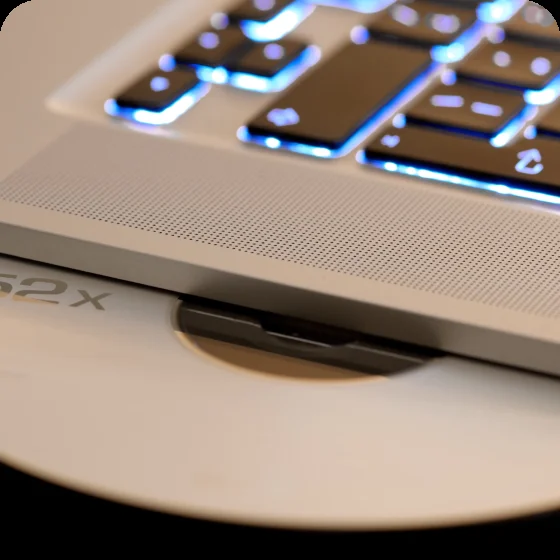
Tape and VCD players
An A-B loop replays one stretch of audio as often as the listener wants.
In EUP Loop one word, one phrase or a whole sentence.
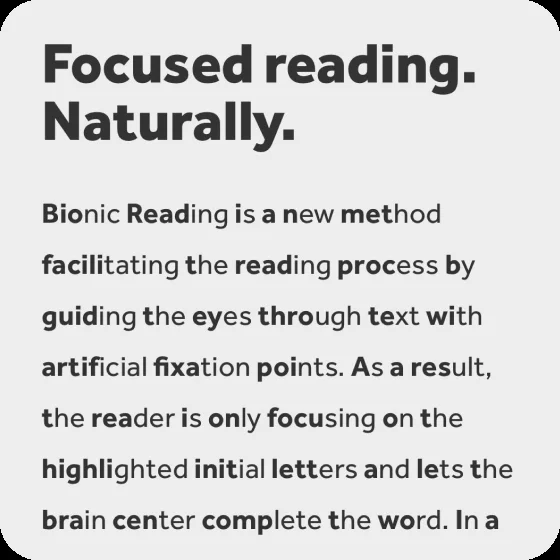
Bionic Reading and BeeLine Reader
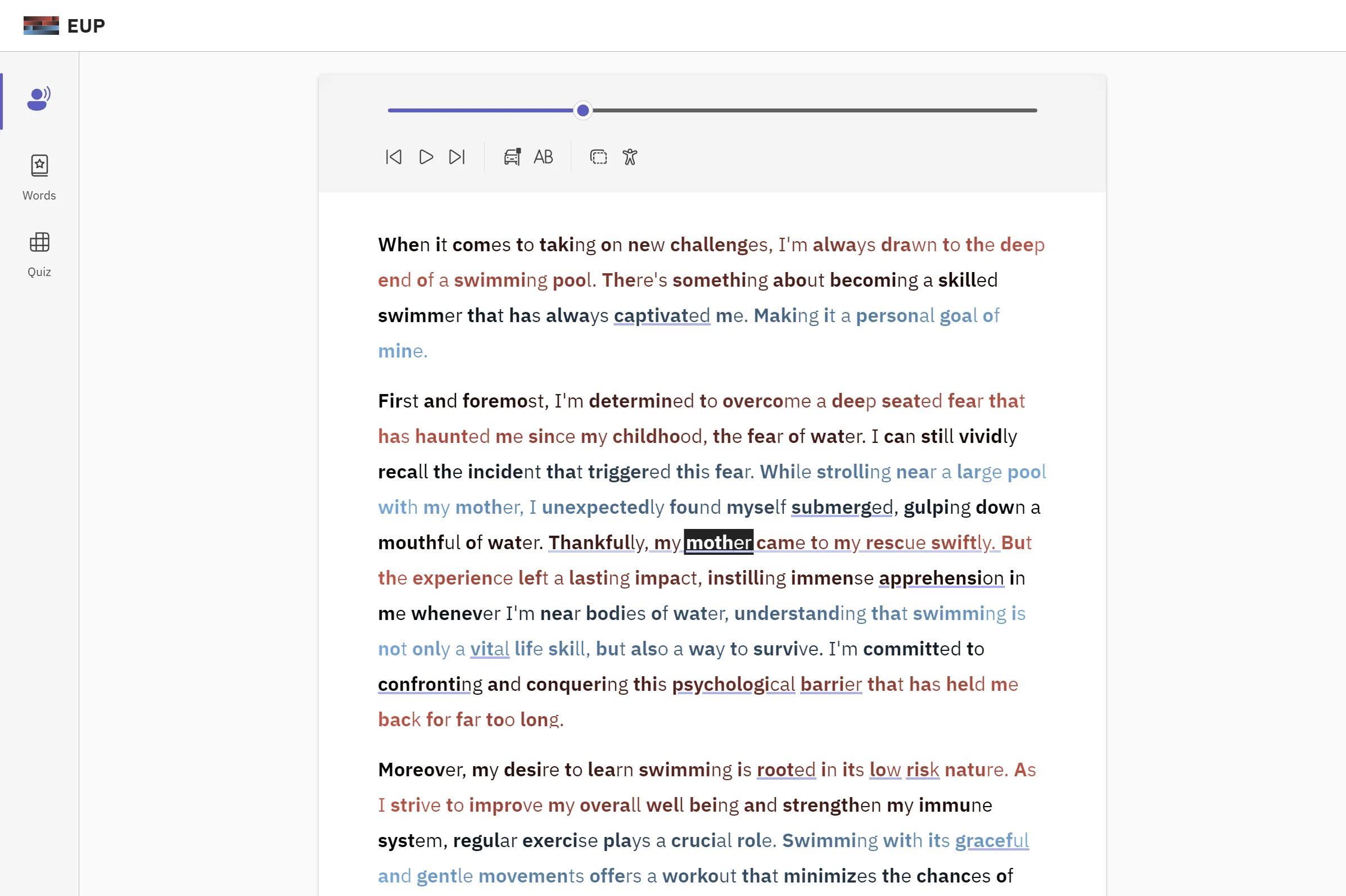
Bold letters at the start of each word, or colour along each line, guide the eye through the text.
In EUP Bold or highlight key words, with settings for each reading level.
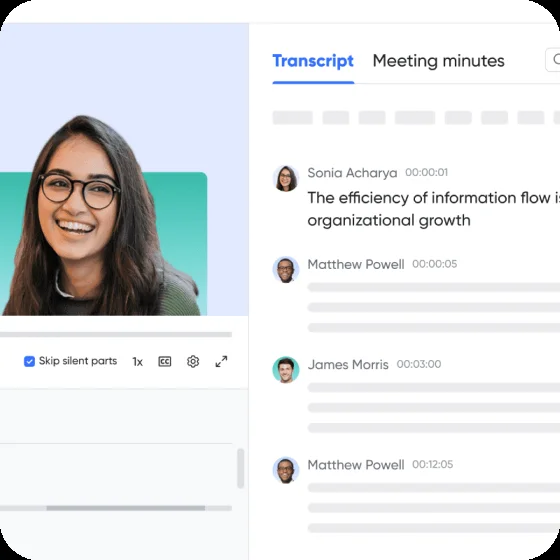
Read Aloud in Microsoft Edge
A synthetic voice reads the page and highlights the words it is reading.
In EUP The highlighted range grows or shrinks with the reader’s ability.

Educational neuroscience
Recent studies stress the part working memory and cognitive load play in understanding what you read.
In EUP Help is reduced and tasks get harder as the reader improves.
Who it's for
Children with dyslexia and ADHD, readers who face challenges with working memory, attention maintenance, and speed of information processing.
Reading material: popular-science articles children actually find interesting.
Working memory
Challenges holding and manipulating what was just read.
Attention maintenance
Staying with a text long enough to understand it.
Processing speed
Slower speed of information processing than peers.
Four kinds of help, each taken from reading research.
Each mechanism is grounded in reading research, and each is designed to withdraw itself as the reader’s own strategies take over.
Repetition
Loop a single word, phrase, or entire sentence to reinforce understanding and memory.
Visual aid
Bold or highlight key vocabulary to speed up information processing, with configurations for different cognitive levels.
Help that fits the reader
Adjust highlight range and style to the reader's ability for personalized support.
Long-term improvement
Gradually reduce help and raise difficulty, keeping each step just beyond what the child can already do alone (educators call this the zone of proximal development), so the help fades as the child improves.
Readers with dyslexia helped design and test it.
EUP launched for the students at ActiveIn. Four commitments shaped how it treated them and their families.
Designed with the readers
Children and adults affected by dyslexia took part in designing and testing EUP, so the help matched what they needed.
Set to each reader
Readers adjust how long and how complex the highlighting is to fit their own reading.
Harder over time
Reading gets gradually harder, so a child can eventually stop depending on the product.
Parents in the loop
Clear progress feedback invites parents into their child’s learning and builds their trust in the product.
“This looks great!”
Student feedback, ActiveIn
“I’m reading faster and faster.”
Student feedback, ActiveIn
The same help on a phone and at a desk.
Children with attention challenges transition frequently between supervised desktop learning sessions and independent handheld reading. The design scales its visual cues, touch targets and reading help to each screen size.
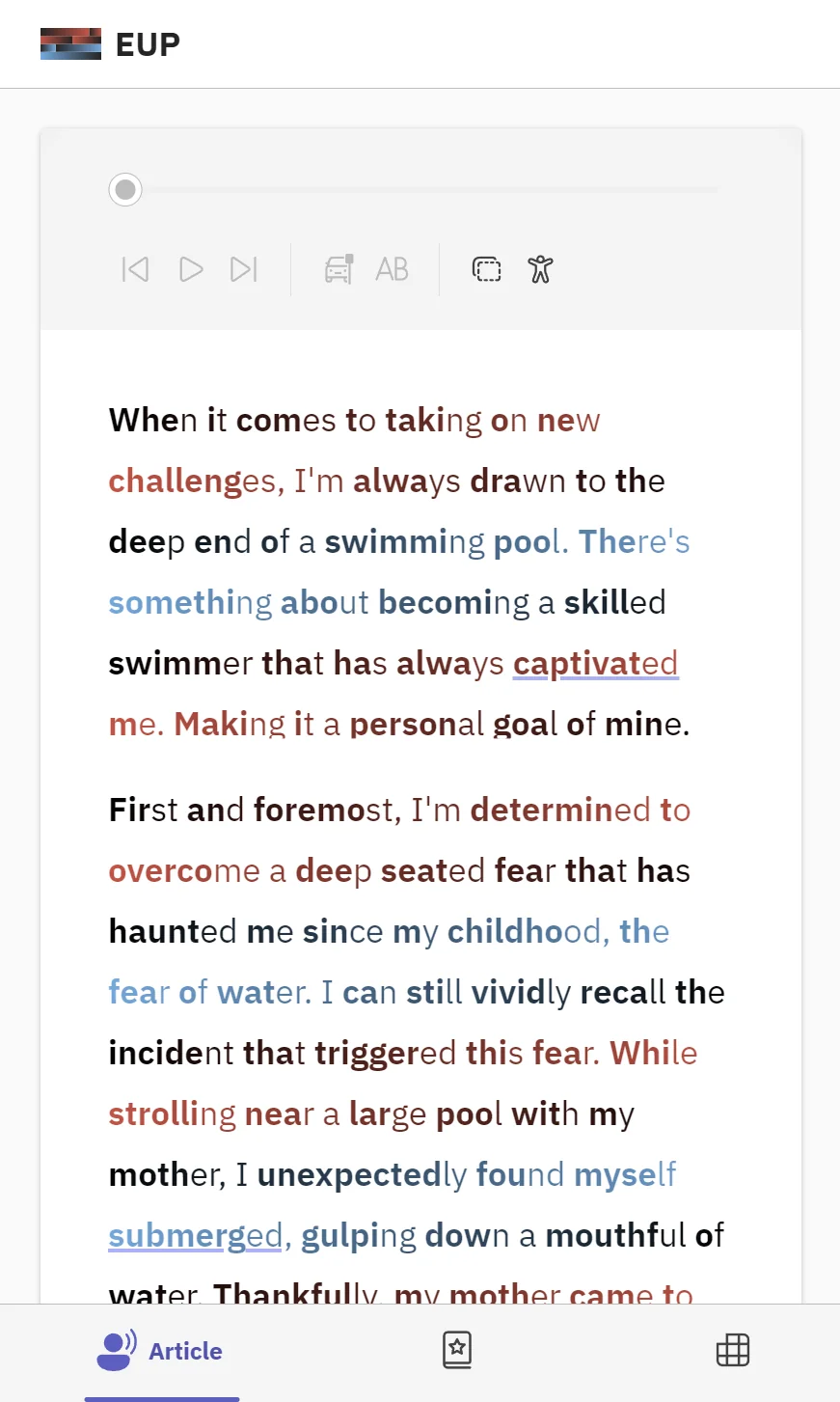
Reading on a phone
Text split into short pieces, with each syllable in its own color, sized for a phone held upright.
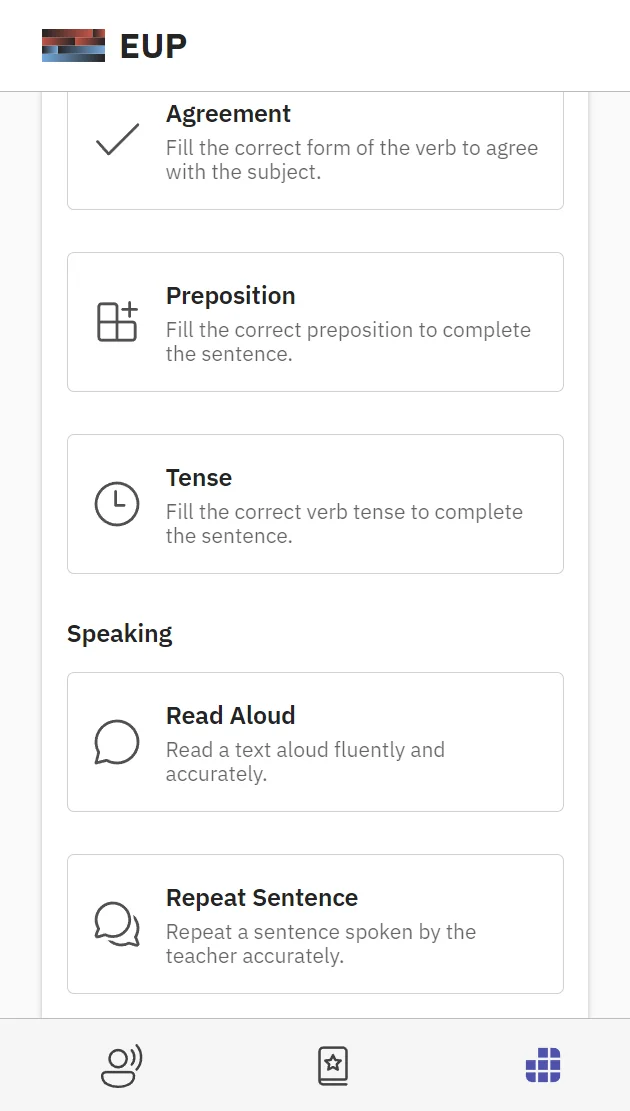
Practice
Short exercises on agreement, tense and reading aloud, each a few minutes long.
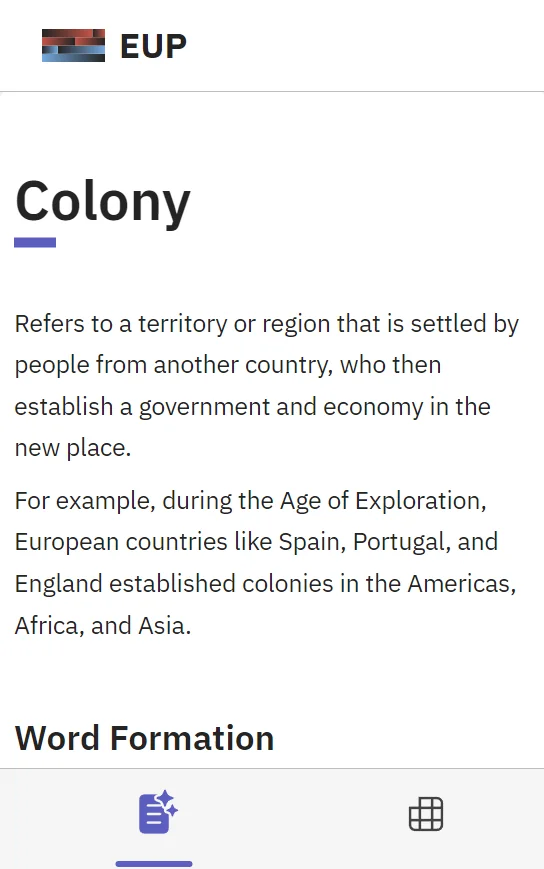
Word help
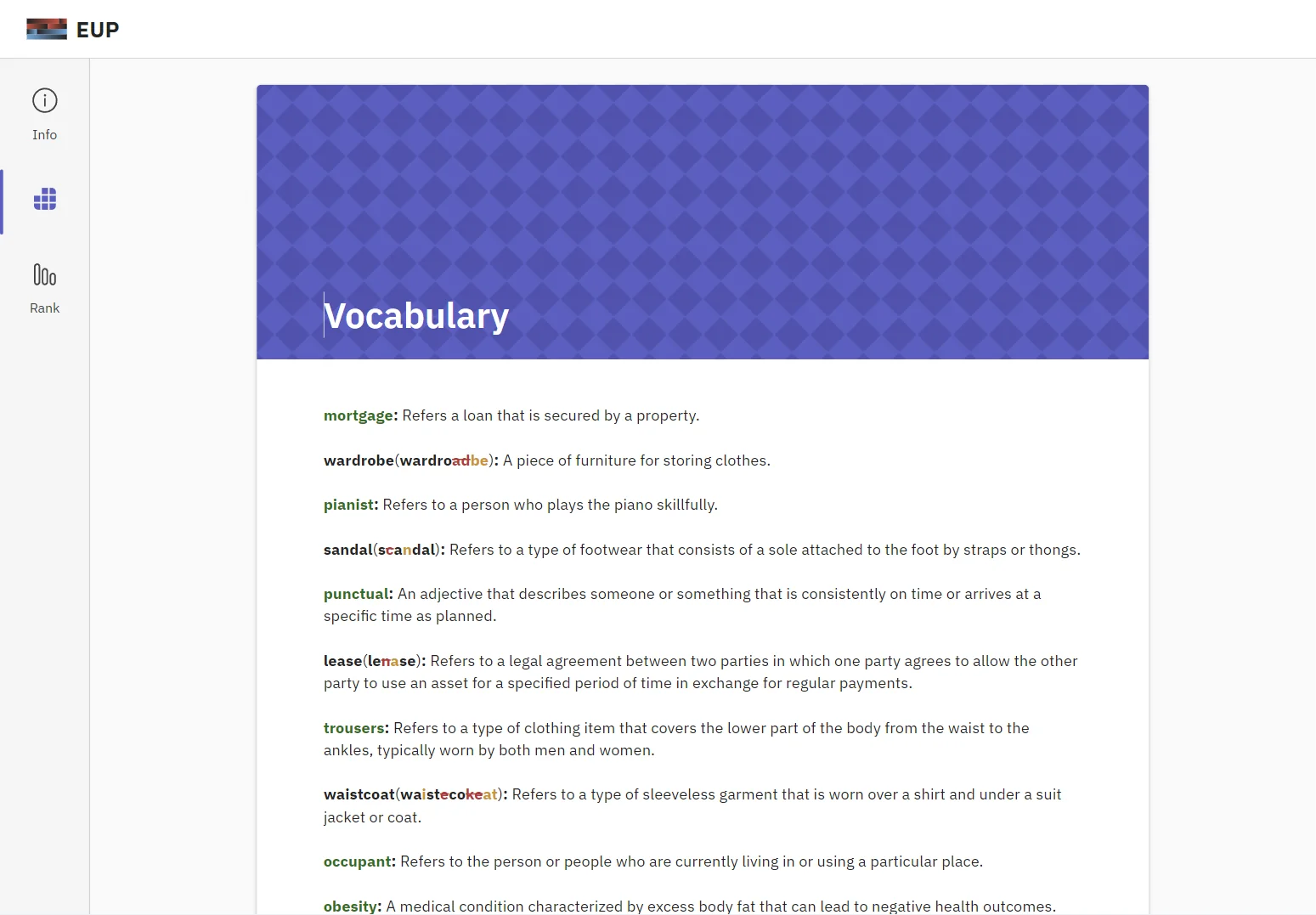
Tap a word to see what it means and how it is built from its parts, without leaving the page.
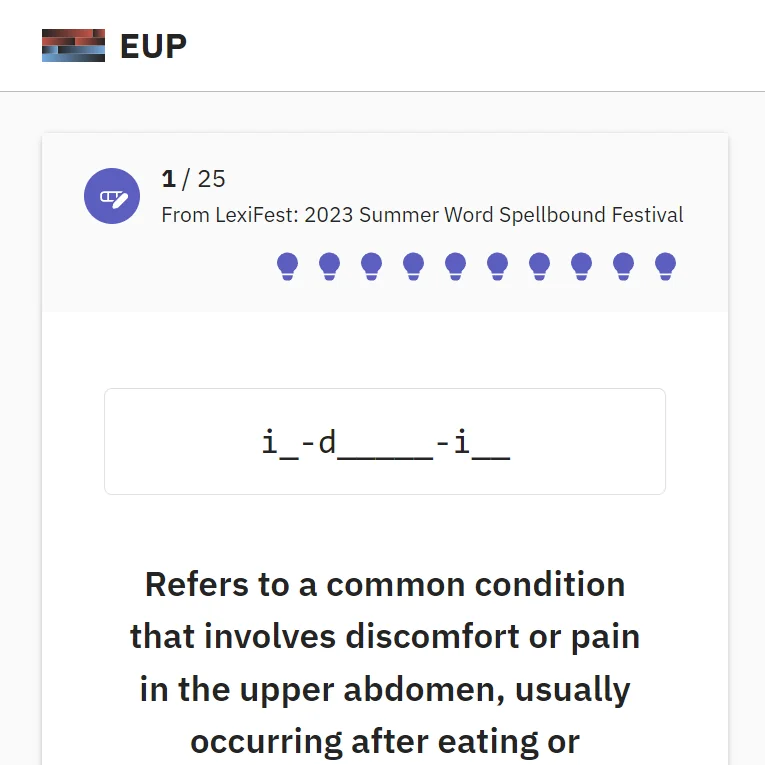
Cognitive Assessment & Spelling
Spelling and vocabulary games that ask the child to recall a word, with a hint after each wrong try.
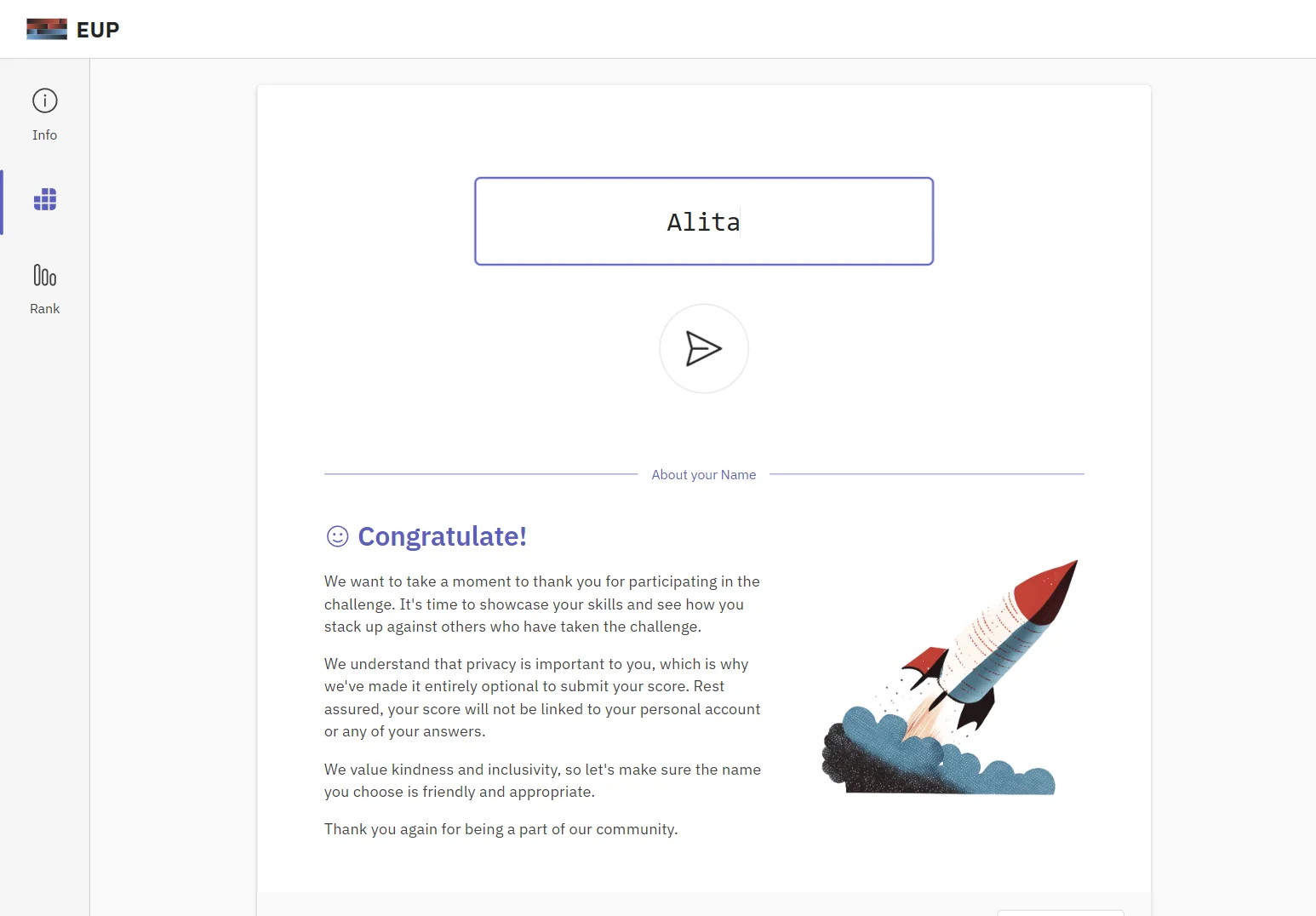
Positive Reinforcement & Privacy
Finish screens that praise the child for completing the work, with no scores to compare against other children.
Features came from talking with the people around each reader.
I talked with the parents and teachers around each reader about what got in the way, and turned each problem they named into a change in the reader.