Playground / Interactive AI & ML Learning
A paid course platform where, in each lesson, a video explains an idea and then a program lets the learner work with it: train a network, walk down a loss curve, break a cipher. I designed the player every course ran on and built the interactions and motion inside the lessons. The flagship machine-learning course earned ¥500k+ in its launch month, even though launch-day traffic took the site down.
I also did the product research behind it. This version starts there: what short video was doing to learning, how existing tools compared, and who the platform was for.

Capsule artwork for the flagship course, The Birth of an AI.
Role
Designed the course player and built lesson interactions and motion; owned core logic and API design, the move to TypeScript, and performance; made animation tools for designers
Team
Dehydration Culture, interactive video team. The platform was a team build; see My role.
Timeline
Platform launched December 2019. I joined in 2020 and left in 2022. Future development halted December 2021.
Outcome
3 course series shipped. ¥49 flagship course with a launch-day outage. Player framework later open-sourced as Recative.
People learn from video, and videos are getting shorter.
Before the product had a shape, I studied how people watch video and what that leaves for learning.
Where video is going
Short videos are taking over and attention spans are getting shorter. We drew on business data that YouTube and TikTok creators had shared, and on the interactive videos on Netflix and Bilibili.
Watching is no longer enough
Video has become the medium people choose first, so the question for a product designer is how to involve viewers beyond what they see and hear.
Short videos carry little
A video holds a limited amount of information and offers almost no interaction. As videos get shorter, how much knowledge they can pass on, and how deep it goes, shrinks with them.
The more complex the tool, the more engaging the result.
I compared media tools used in education by how complex they are to make content with and how engaged their audience becomes. They fell into three groups, and engagement rose with complexity.
No tool sat where engagement is high and the work stays manageable. Recative, the system Playground was built on, aimed at that corner.
Low complexity, low engagement
PowerPoint, PsychoPy, FrontPage
Easy to use and practical, but they cannot express much, and education needs rich multimedia interaction.
Middle
GeoGebra, Sketchpad, OrangeLight, RPG Maker
Good for making content in one subject or one format, but only in that narrow field.
High complexity, high engagement
Unity 3D, Unreal Engine, Godot, Authorware, Flash
Powerful and expressive, but expensive to develop with, and unsuitable for most people and most uses in education.
Interactive video had started to push past that line.
Video became the main medium because it strikes the best balance between the two. Some platforms were already experimenting with ways past that balance, to engage viewers more.
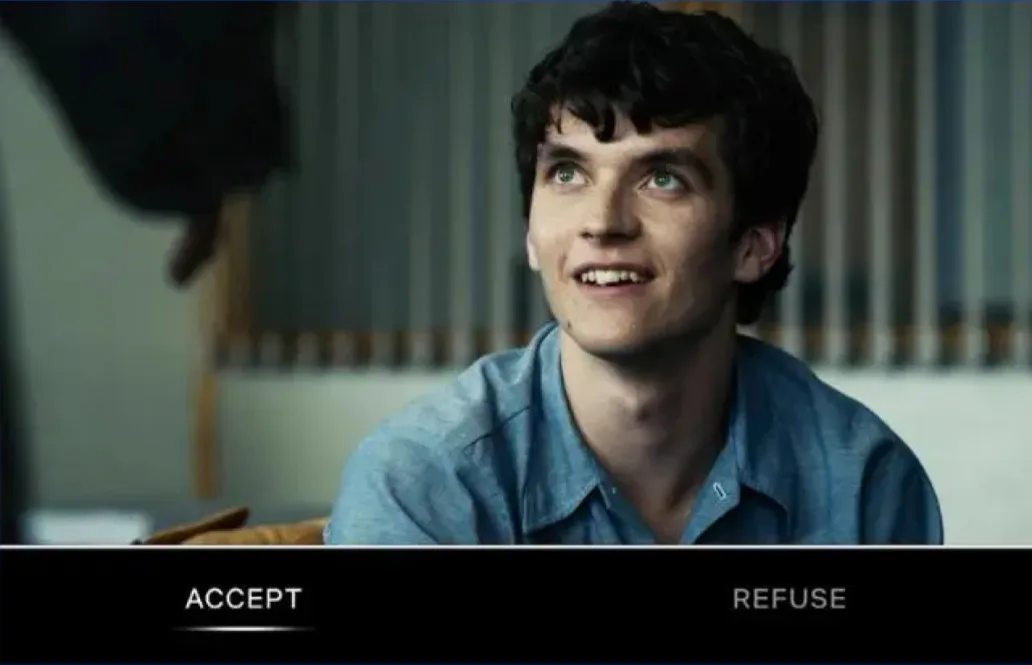
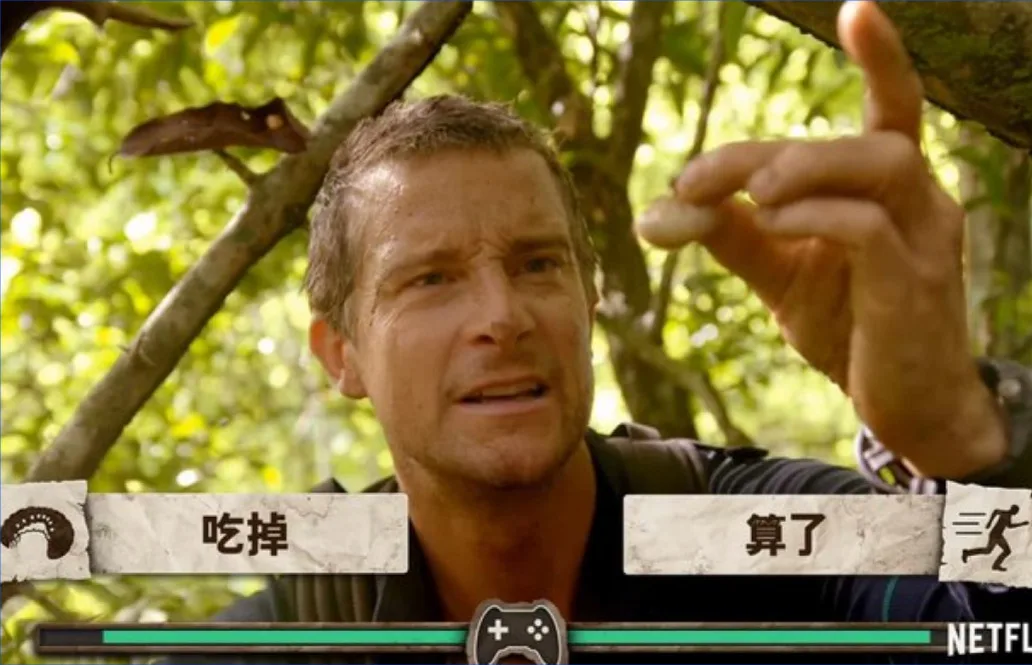
Both keep the form simple and follow a single storyline, so their value for teaching is limited.
It was for students and professionals who want to do more than watch.
The audience was people who learn from video and want a deeper, more interactive experience, who understand by taking part and practising.
What they wanted
- Want to learn through video
- Want to go deeper by taking part
- Want a gentle learning curve
What the product had to offer
- Tasks inside the video
- Interactive tasks and puzzles to work through while watching, so viewers understand the content and practise the skill.
- Conversation and live data
- A conversational interface, and data collected while the lesson runs, so the lesson knows right away how the learner is doing.
The values we wrote down for it were participation, practice, professionalism and innovation. With these features, the goal was a new balance: content that costs less to make and holds learners better.
A lesson where the video hands off to a program.
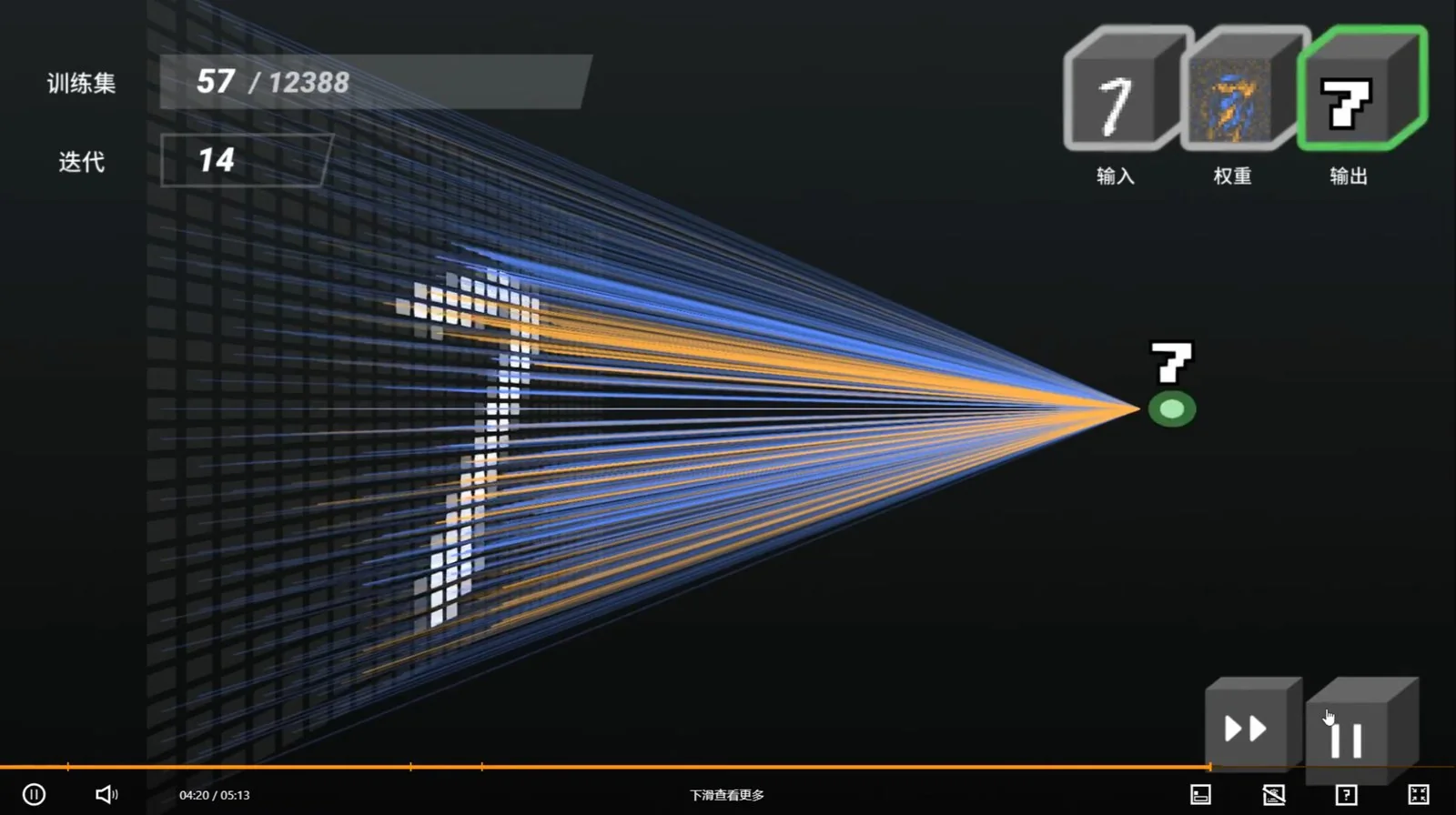
Playground sold interactive video courses to a Mandarin-speaking audience. In each lesson a video explains an idea, then a program lets the learner operate on it: train a network, walk down a loss curve, break a cipher.
The interactive parts had two jobs. Tasks and puzzles deepen understanding, and conversational prompts show how the learner is doing while the lesson runs.
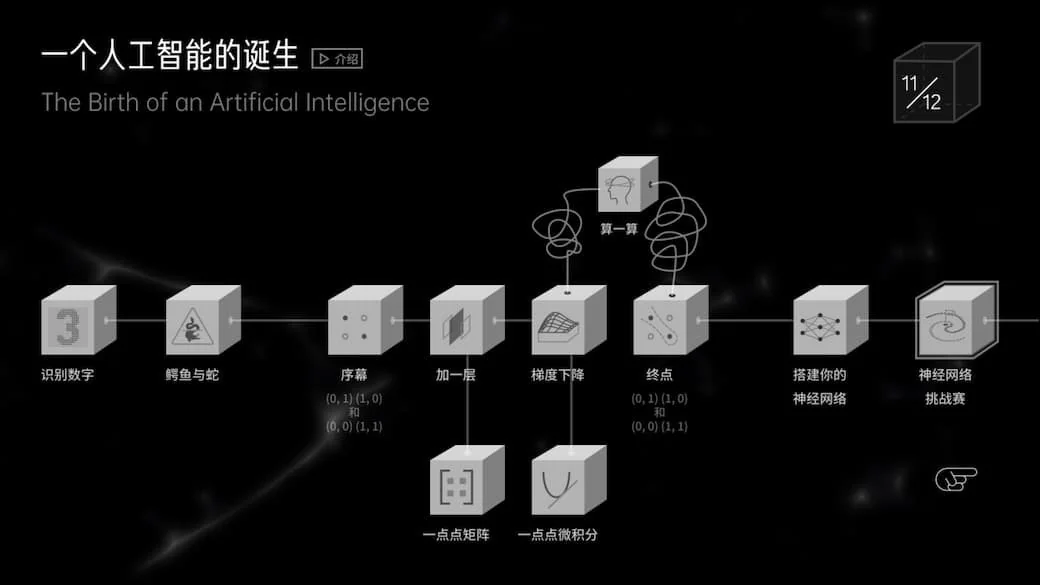
Flagship · 12 chapters
The Birth of an AI
From recognizing handwritten digits to training a neural network. Released December 2020, later on Steam.
Steam page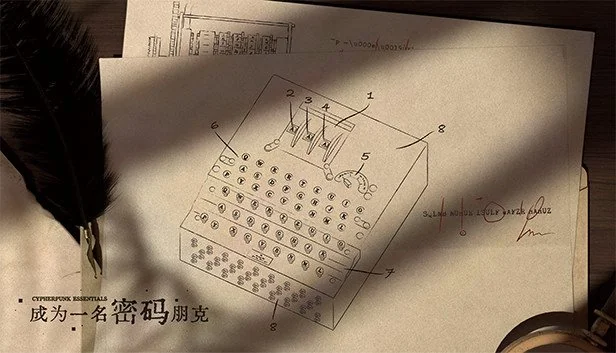
Cryptography
Cypherpunk Essentials
Interactive cipher machines, from classical ciphers to modern encryption. Later on Steam.
Steam page
Early access
Statistics: Save the World
Statistical inference as an interactive story. A scaled-down complete version went free to paying users as development wound down.
Every lesson ran on the player I designed.
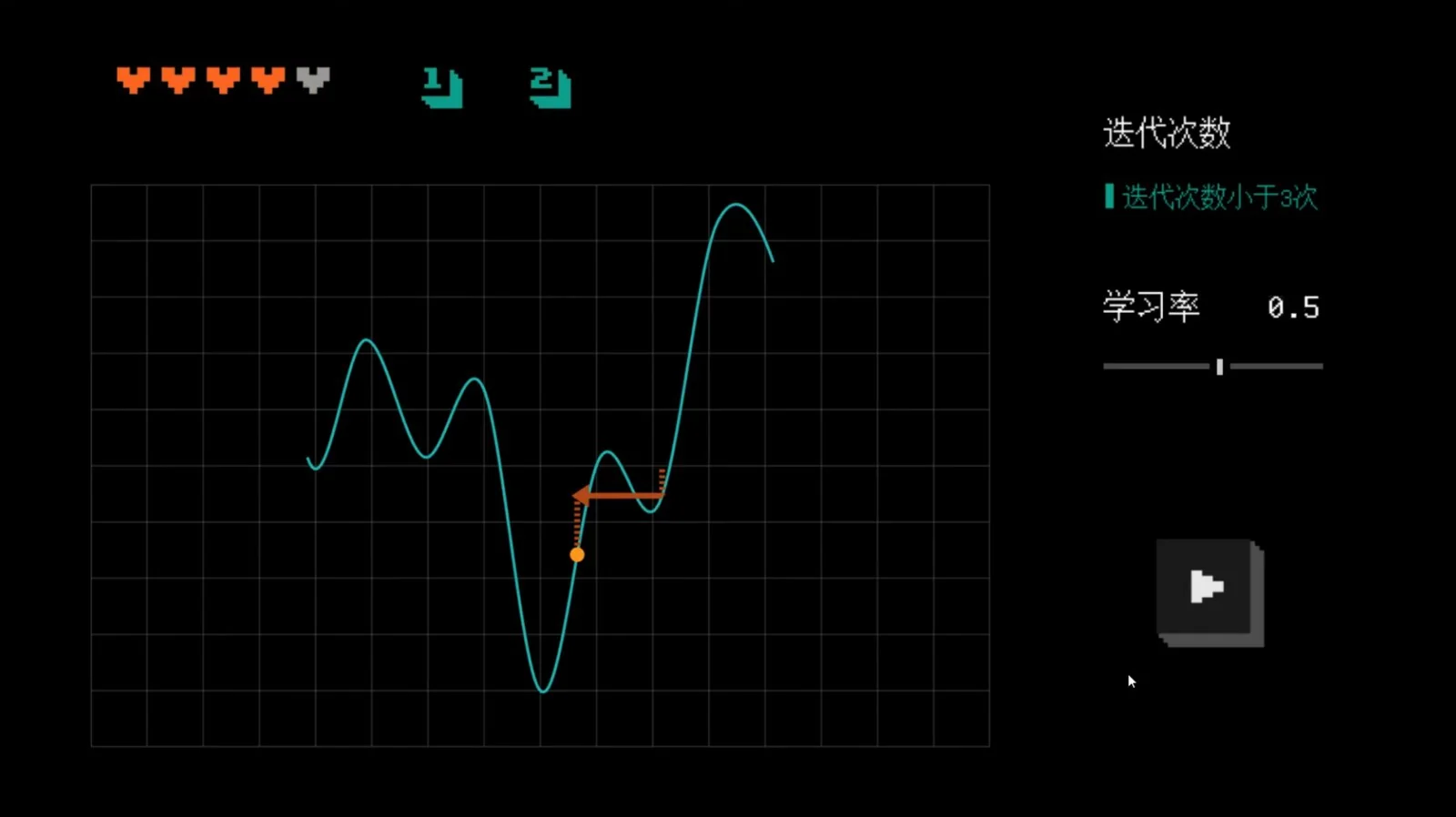
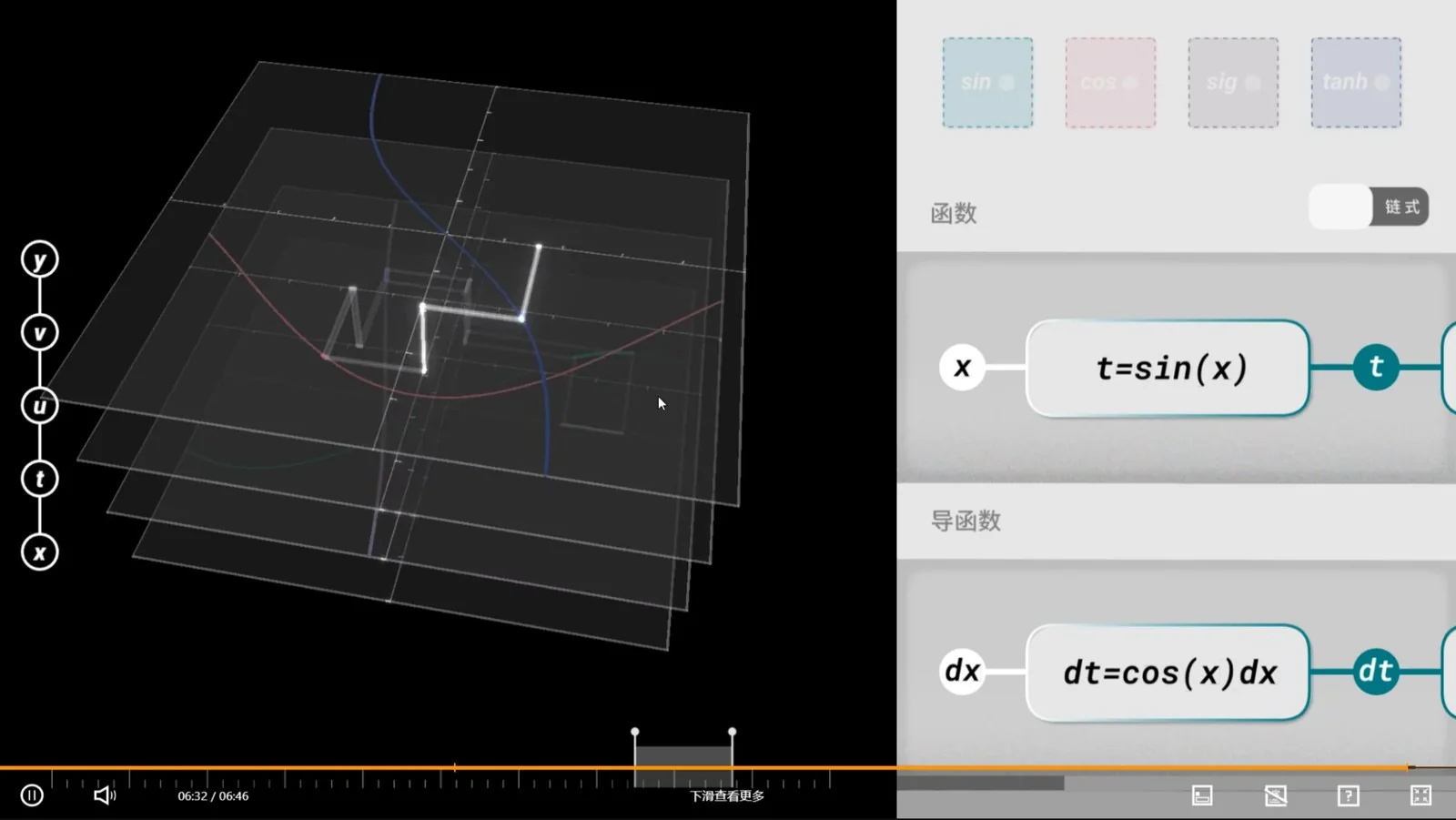
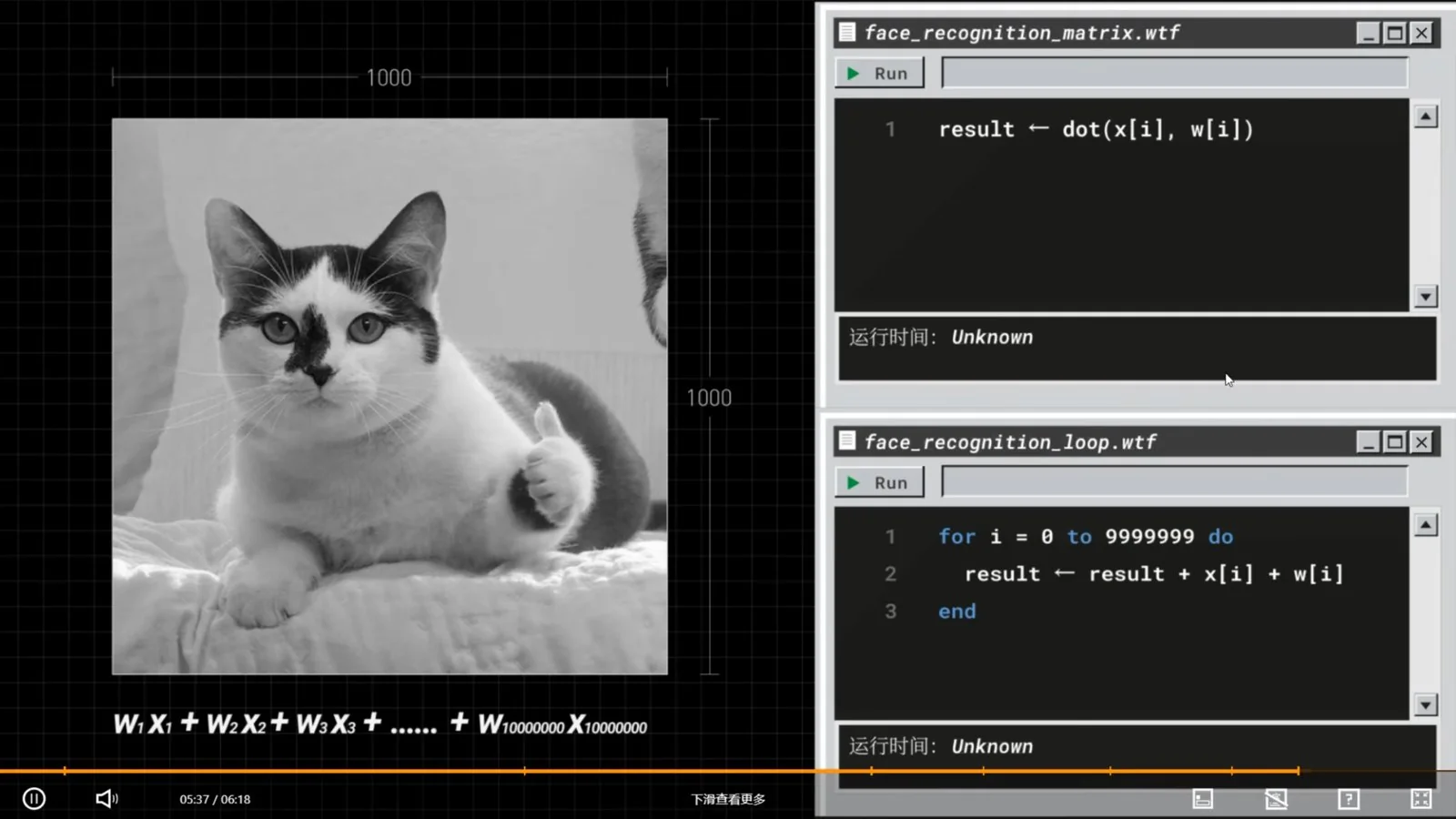
The player, its plugin stage and its shared toolkit were the architecture I owned, and every course on the platform was built on them. These six interactions come from the flagship course. I built interaction nodes and motion for episodes like these, and colleagues built many of the programs on the same toolkit. Screenshots show the shipped Mandarin interface.
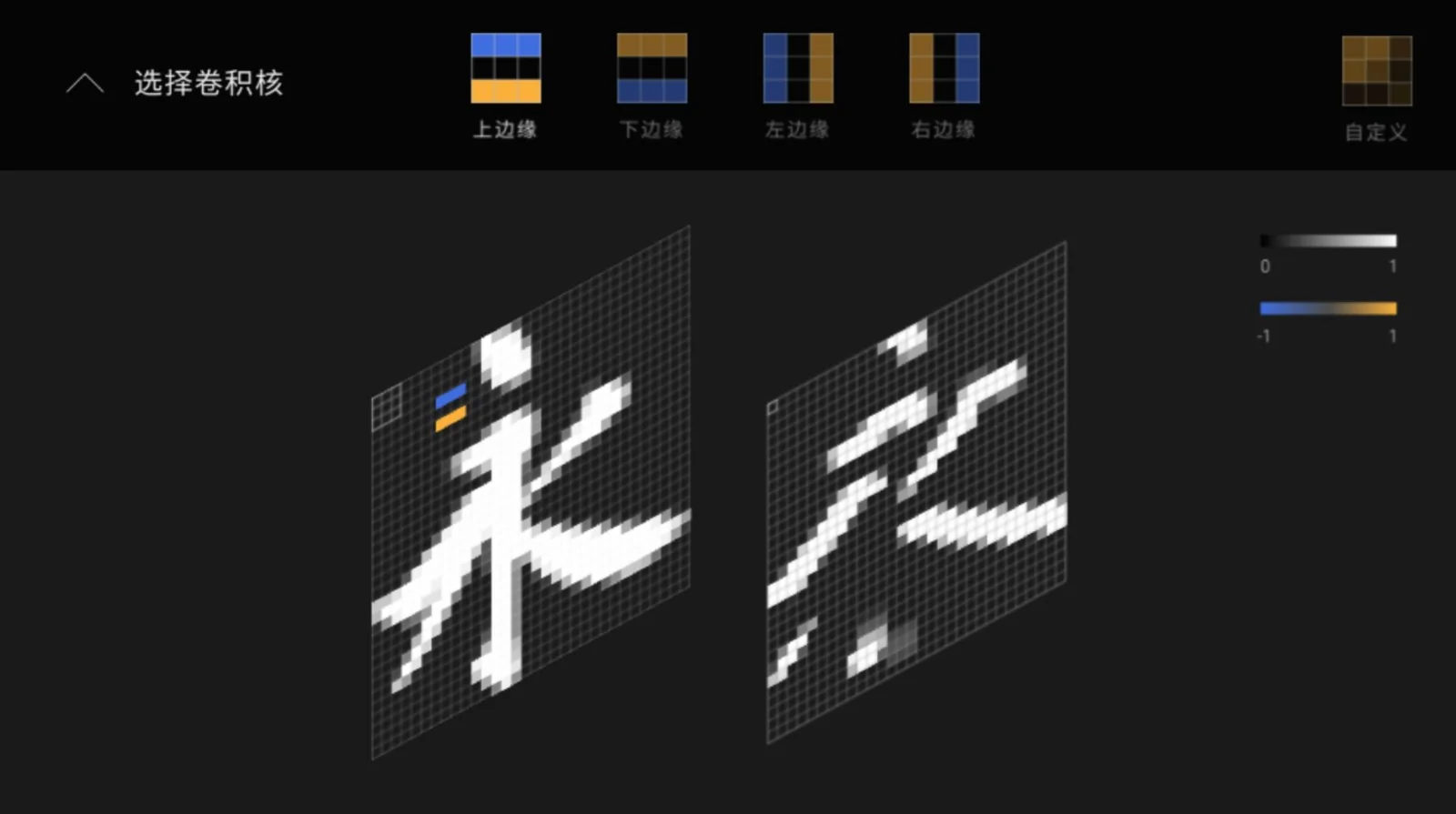
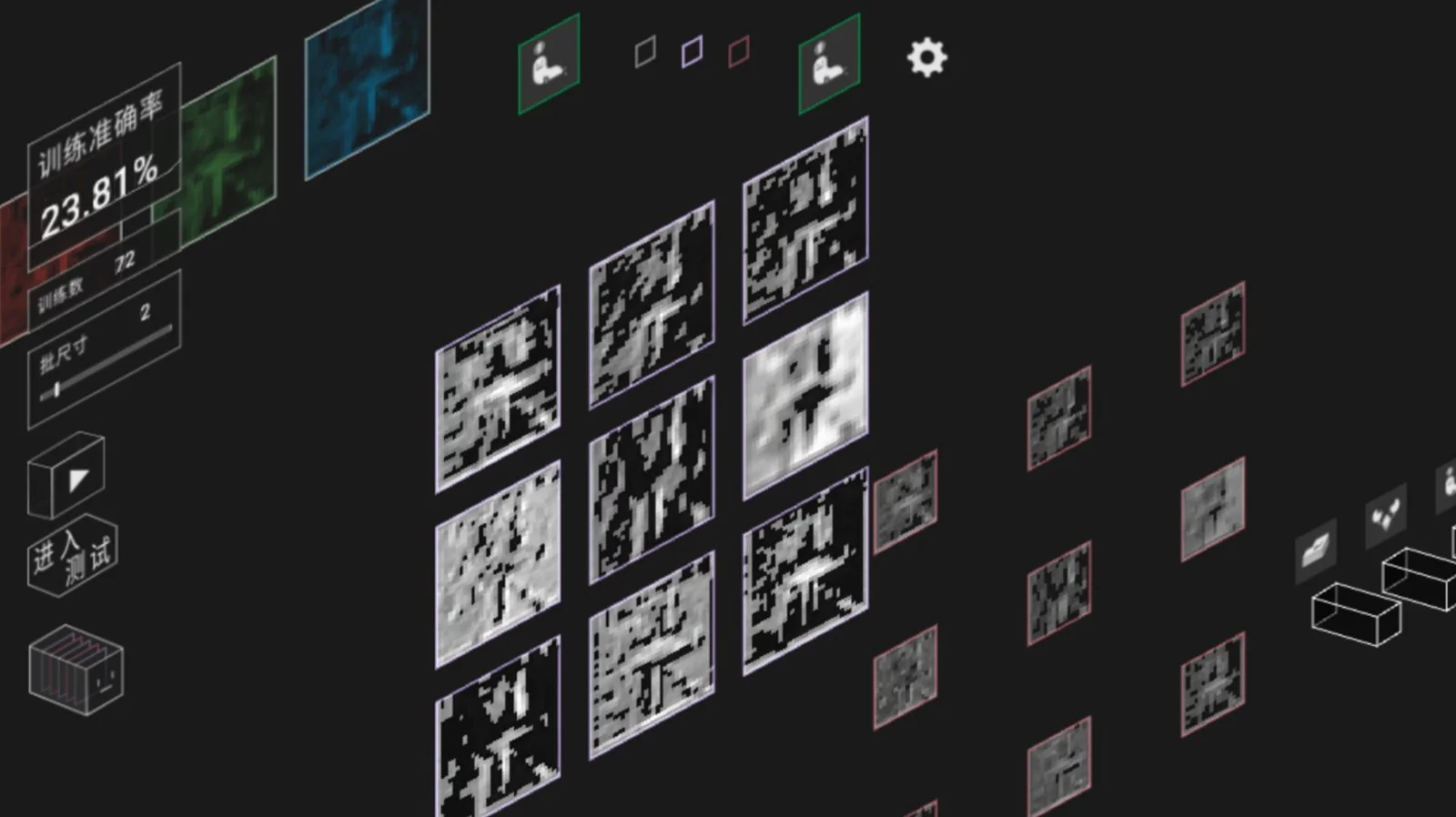
Launch day took the site down.
Traffic for The Birth of an AI overwhelmed the site on day one, and the team told users engineers were fixing it around the clock. Coverage followed in The Paper, Tencent News, 36Kr and Appinn, and both completed courses later reached Steam.
- Full price, with a ¥1 trial chapter
- ¥0Full price, with a ¥1 trial chapter
- Revenue by the end of launch month
- ¥0k+Revenue by the end of launch month
- Chapters, from digits to a neural network
- 0Chapters, from digits to a neural network
- Years in development
- 0Years in development
What the public evaluation thread said
Praise
Reviewers kept singling out the data visualization. One watched with headphones and called it tingling, very cyberpunk.
The gradient-descent episode became the signature memory. Players counted how many times they had walked the mountain.
Educators and engineers wrote long analyses of how it makes gradient descent and convolution tangible.
Criticism
Interaction points were hard to find without guidance.
Larger scenes stuttered when zoomed and panned.
The mathematical chapters asked a lot of self-taught learners.
What I owned, and what I would change.
I set the architecture, built the business logic that crossed teams, and did some interface and product design. Colleagues did most of the development.
- Core business logic and API design for the interactive video system
- JavaScript to TypeScript migration of the codebase
- Performance and memory: data and fetch models that kept the machine-learning demos at full frame rate
- Engineering standards for interactive-program development
- Interaction nodes and motion for course episodes
- Internal tooling: a texture-conversion tool used outside the team, and animation tooling for designers
The night the largest architecture change shipped, the main flow had zero bugs, which had not happened once in my two years there.
What I would change
- Pushing TypeScript before the team agreedI still think a complex web project needs it. I rushed the consensus.
- Hard-coding the background musicI suggested it as a stopgap before a trailer deadline. The schedule never made room to take it out.
What I would defend
- An iframe for every interactionThe sandbox, the clean reset and the pinned dependencies were worth the messaging work.
- Staying on the web over UnityHot-loaded courses, the WeChat entry point and the team we had all pointed to the web. I had argued for Unity when I joined.
About this page
Playground halted future development on December 31, 2021. The screenshots and artwork on this page show the product as it shipped.